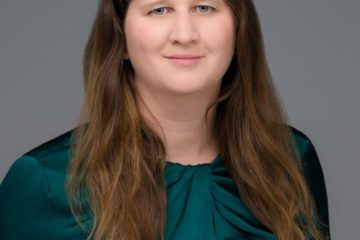
Michelle Frei
About Michelle Frei Michelle Frei earned her BSc diploma in Chemistry from ETH Zürich in 2014. in 2020 she obtained […]

About Michelle Frei Michelle Frei earned her BSc diploma in Chemistry from ETH Zürich in 2014. in 2020 she obtained […]
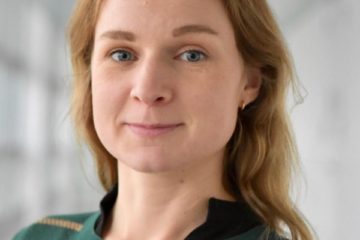
About Amy Fraley Amy studied Chemistry at the Millersville University of Pennsylvania, where she obtained her BSc in 2014. She […]
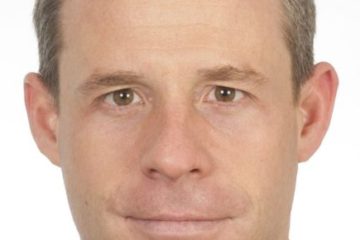
About Dennis Gillingham Dennis studied Chemistry at the Memorial University of Newfoundland in St.John’s, Canada. He joined the group of […]

About Chan Cao The Cao group focuses on Nanopore Sensing, Single-molecule Sequencing, Molecular Dynamics Simulation, Engineering and design nano pores […]
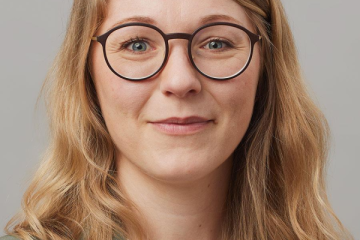
About Nathalie Grob The Grob Group focuses on designing and screening potential therapeutic modalities that address common challenges faced by […]
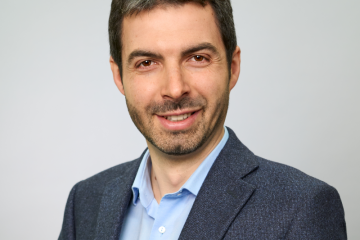
De Simone’s lab is interested in the physical principles underlying vertebrate regeneration. His group uses high-sensitivity sensors and reporters to visualise signals, forces and cell dynamics as well as analyse data using automated quantification methods.

Sophie Martin lab aims to understand in molecular detail how cells polarize, organize their cytoskeleton and their membrane to achieve growth, division and fusion. To this end, they use a combination of quantitative live-cell imaging, electron microscopy, genetic and biochemical approaches.

The Thomä lab focuses on the structure and function of macromolecular machines at the interface of chromatin biology and ubiquitin biology. Recent work from the laboratory illustrated how transcription factor operate in the context of chromatin, and how endogenous and synthetic small molecules drive the degradation of transcription factors and other cellular proteins by leveraging the ubiquitin proteasome system.

Lang’s general research interests strive to develop new tools to study and control biological systems. Her group is especially active in enabling and advancing approaches to expand the genetic code and in developing new in vivo chemistries that are amenable to physiological conditions. This combination is ideally suited to address unmet challenges in studying and manipulating biological processes with a new level of spatial, temporal and molecular precision.
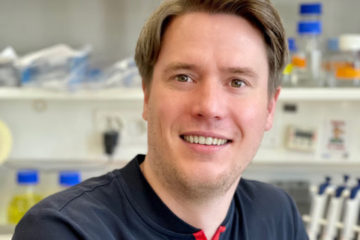
The Boland lab aims to study the molecular mechanisms that underlie cell cycle regulation as well as signal transduction by membrane proteins in health and diseasework at the intersection of Structural Biology, Molecular & Cell Biology and Chemical Biology. Their research leverages the latest developments in cryogenic electron microscopy (cryoEM) and uses complementary biophysical techniques (proteomics, light-microscopy, microfluidics, etc.).